Ask someone five years ago what the most important job in AI would be, and they'd have said: machine learning engineer. Five years from now, the answer might be: electrician.
That sounds ridiculous until you look at what's actually happening. At USC I've spent the last few years on rockets and race cars, and engineering teaches you one thing fast: every system is eventually constrained by its bottleneck. The most sophisticated engine doesn't matter if the cooling fails. The perfect aero doesn't matter if you can't manufacture the part. The bottleneck always wins.
That's why I've started looking at AI differently. Most people see software. I increasingly see infrastructure. The conversation still revolves around models: who's smartest, who has the best agents. Good questions, just not the most important ones anymore, because intelligence is becoming abundant and infrastructure is not.
Every token requires electricity. Every rack generates heat. Every cooling system needs power. Every megawatt needs transmission. Every transmission project takes years. You cannot prompt your way around thermodynamics.
So the interesting AI-adjacent businesses barely look like AI at all: memory, photonics, power, cooling, networking. The reason memory is interesting isn't memory. It's that every AI company on earth is now fighting over the same supply chain, HBM demand is exploding, and new capacity takes years. The bottleneck moves, and pricing power moves with it. Same in networking: processing information is half the problem, and moving it between chips, racks, and data centers is the other half.
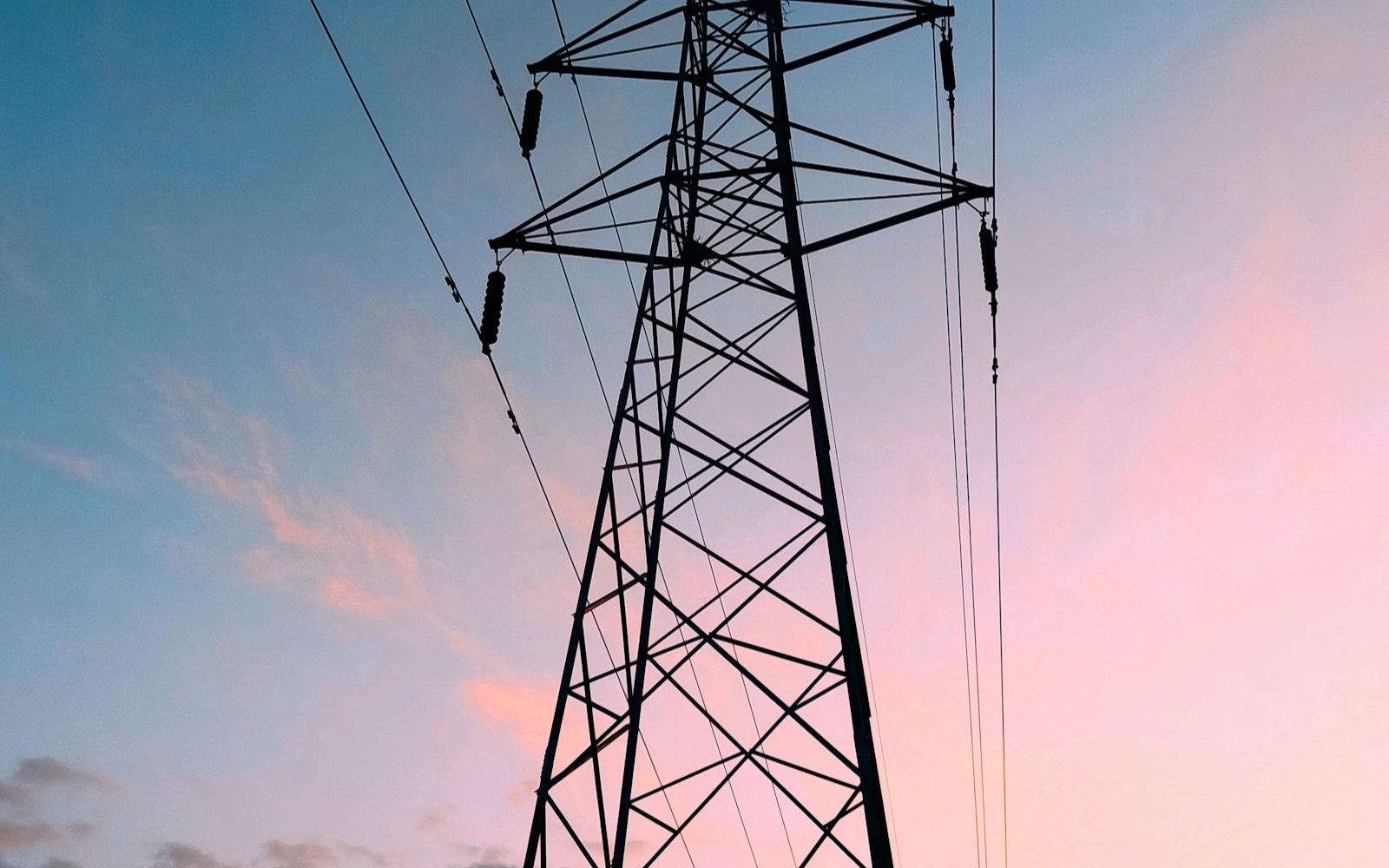
Then there's power, which I think people still underestimate. Most forecasts quietly assume that if demand exists, infrastructure will appear. Engineers know better. The world moves at the speed of permits, transformers, and transmission lines, which is to say the speed of reality.
AI is starting to look less like a software revolution and more like an industrial one. Railroads needed steel. The internet needed fiber. AI needs physical infrastructure at a scale we haven't seen in years.
The market is still asking which AI company wins. The better question is: what becomes scarce when intelligence becomes abundant? For years AI's bottleneck was intelligence. Now it's moving, and value tends to move with it. The biggest winners of this era may not be the companies creating intelligence, but the ones making it possible to run.